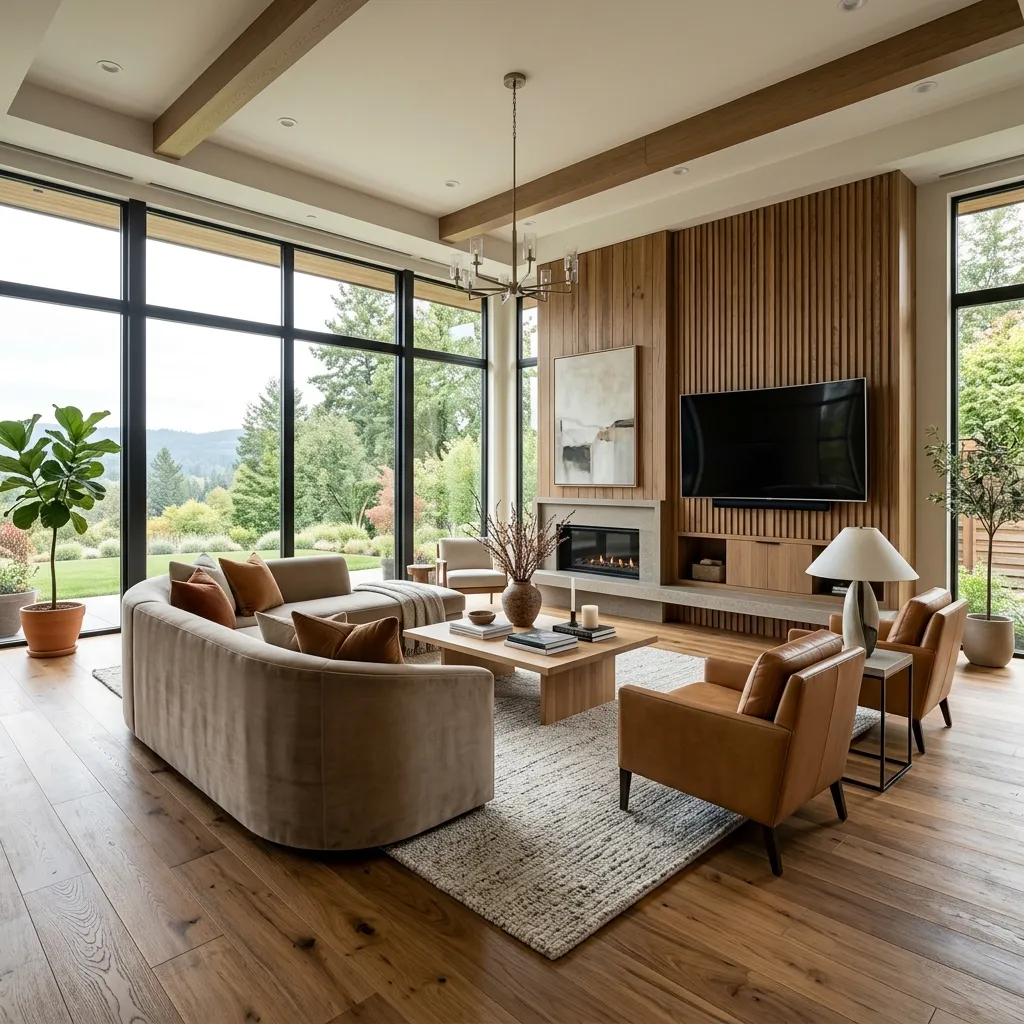
The kitchen is no longer just a cooking space — it is the social heartbeat of the modern Indian home. Open-plan designs mean your modular kitchen is permanently on display, and the expectations placed on it — aesthetic, functional, and ergonomic — have never been higher.
This comprehensive guide walks you through every decision in the modular kitchen design process, from the initial layout selection to the final hardware fitting. Whether you are designing a new kitchen or renovating an existing one, this guide will help you make choices you will not regret.
Step 1: Choosing Your Kitchen Layout
The layout is the single most important decision — everything else adapts to it. The five primary modular kitchen layouts each suit different space dimensions:
L-shaped Kitchen
The most versatile layout for Indian homes. Two walls of cabinetry form an 'L', with the work triangle (hob, sink, refrigerator) naturally optimized. Works in spaces from 80sqft upward. Highly recommended for open-plan homes as it delineates the kitchen zone without closing it off.
U-shaped Kitchen
Three walls of cabinets provide maximum storage. Best for dedicated kitchen spaces of 120sqft or more. Creates excellent workflow for serious cooks — everything within a few steps. In our modular kitchen range, U-shaped configurations are the most popular for villas and larger apartments.
Parallel / Galley Kitchen
Two facing walls of cabinets with a corridor between them. Highly efficient, works beautifully in long, narrow kitchen spaces. Popular in apartments where dedicated kitchen rooms are standard.
Island Kitchen
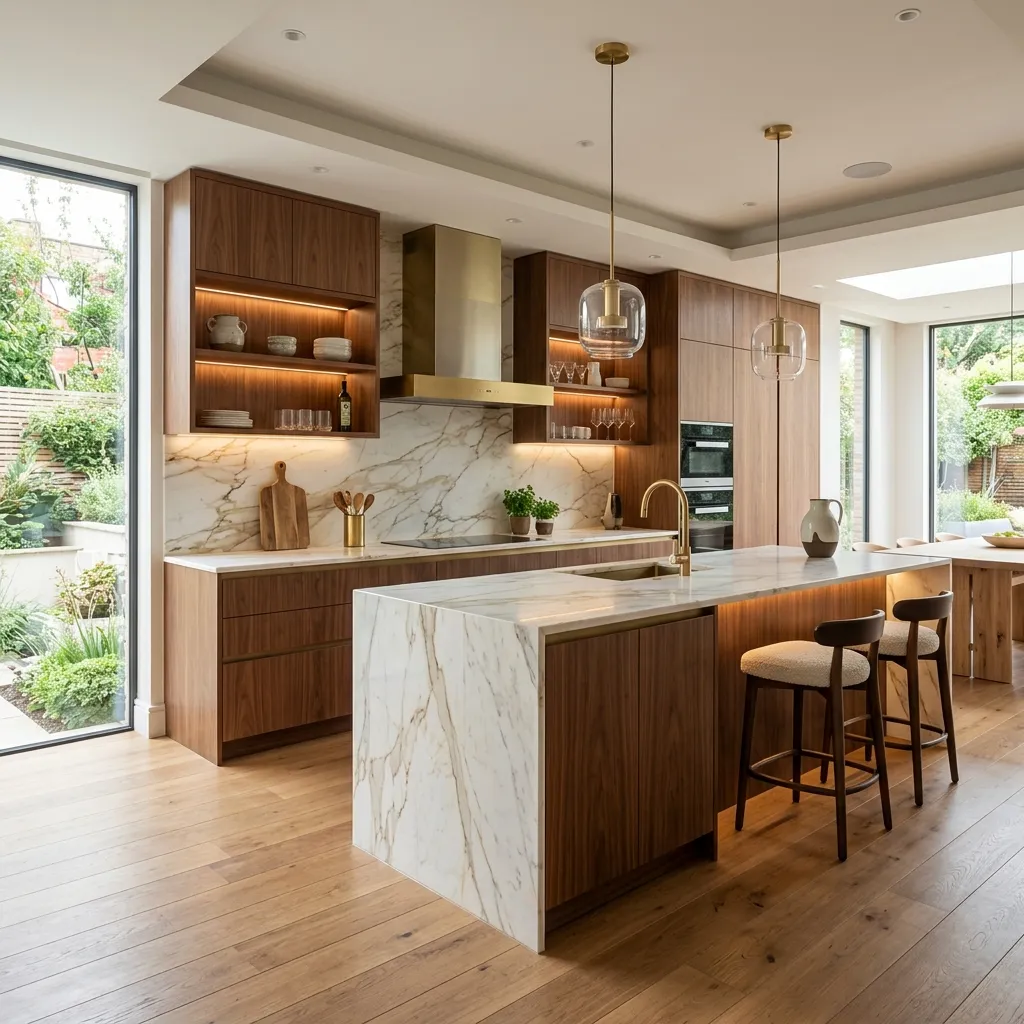
A freestanding central island adds a fourth work surface, extra storage below, and a breakfast counter above. Requires a minimum 150sqft of kitchen space and excellent ventilation planning. The aspirational choice for luxury villas and penthouses.
Step 2: Selecting Cabinet Materials
The Carcass: Where Quality Begins
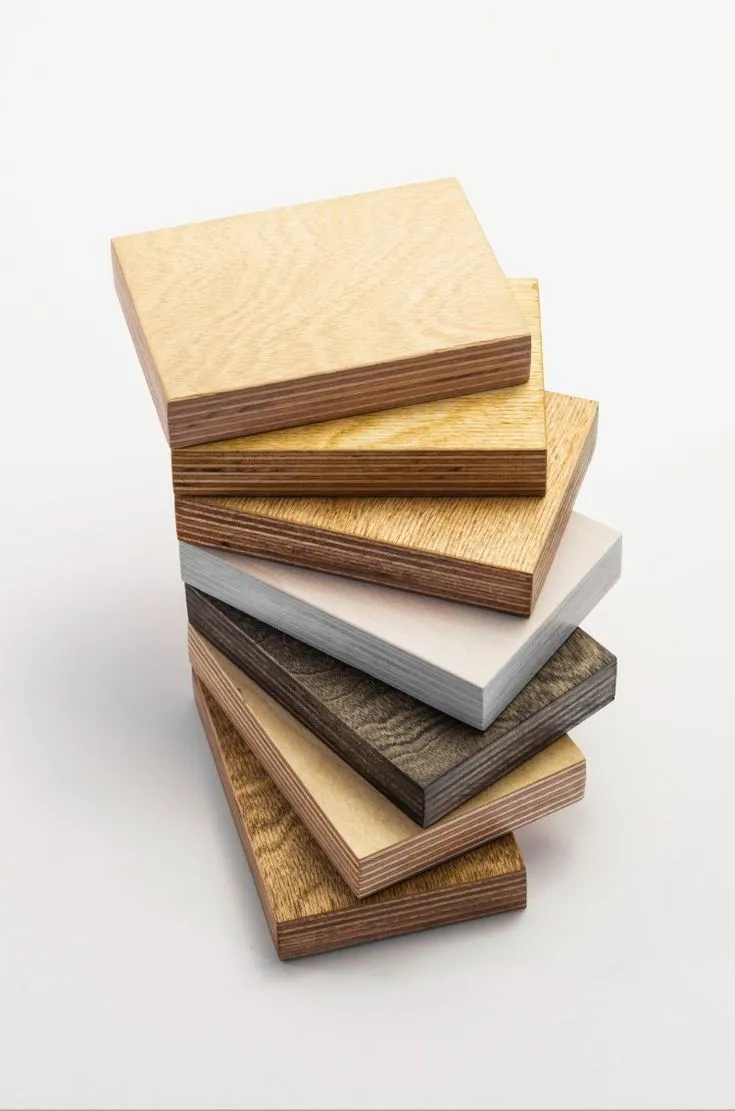
The carcass (the box structure of every cabinet) must be built from BWP marine-grade plywood. This is non-negotiable for any kitchen that will last more than five years. Never accept MDF or particle board for kitchen carcass construction — both materials absorb moisture, swell, and eventually collapse under load.
Specify 18mm BWP plywood for all carcass panels. The back panel can be 9mm or 12mm BWP. All edges must be sealed with ABS PVC edging tape to prevent moisture ingress at the cut edges.
Shutter Finishes: The Aesthetic Layer
The shutter is what you see and touch — it defines the kitchen's personality:
- Acrylic High-Gloss — The premium choice for a sleek, reflective, contemporary look. Easy to clean, highly scratch-resistant, and available in vivid solid colors.
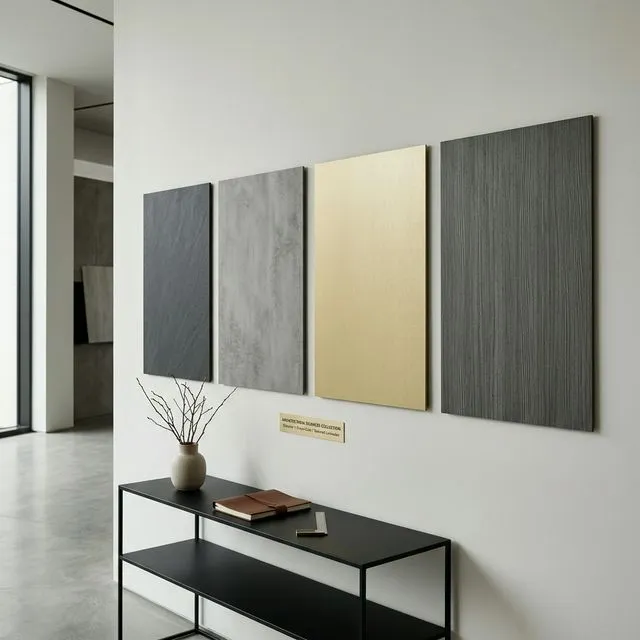
- Laminate (HPL) — The most versatile option. Available in thousands of colors and textures. Our XLNC Laminates include both ultra-matte and synchronized wood-grain options specifically formulated for kitchen environments.
- PU Paint — The smoothest finish available, applied as a spray. Requires professional application and periodic repainting but delivers an unmatched, seamless lacquer look.
- Wood Veneer — Reserved for statement kitchens where authentic warmth is the priority. Always specify fleece-backed veneer for kitchen applications to prevent cracking from temperature cycling near cooking zones.
Step 3: Hardware Is Not Optional
The biggest mistake homeowners make is approving a premium kitchen design and then allowing the contractor to substitute budget hardware. The soft-close hinges, the full-extension drawer runners, the push-to-open mechanisms — these define the daily experience of the kitchen far more than any visible finish.
Insist on certified brands with a minimum 10-year warranty on mechanical components. Our hardware collection features ergonomically designed systems tested to 100,000+ cycles — the equivalent of over 27 years of normal daily use.
Step 4: Counter and Backsplash Selection
The countertop is the hardest-working surface in your kitchen. Consider:
- Engineered Quartz — Most durable, non-porous, and available in stunning marble reproductions. The premium choice.
- Granite — Natural, heat-resistant, timeless. Requires annual sealing.
- Compact Laminate (12mm) — Budget-friendly but surprisingly durable. Best for secondary backsplash or island bar-top applications.
Step 5: Lighting — The Final Transformation
No kitchen is complete without layered lighting:
- Under-cabinet LED strip lights — Illuminate the work surface, eliminate shadows, and add a premium, hotel-kitchen ambience.
- Interior cabinet lighting — Sensor-activated LED strips inside upper cabinets make contents visible and add a luxury-showroom feel.
- Pendant lights over the island — The signature kitchen feature. Choose pendants that mirror the hardware finish for visual cohesion.
"A well-designed modular kitchen is not the most expensive kitchen you can afford — it is the most thoughtfully designed one. Every decision compounds on the next." — Wudsense Design Team
Ready to Design Your Dream Kitchen?
Our team of experienced kitchen designers is available at our Hyderabad showroom six days a week. Bring your floor plan and inspiration references, and we will design a complete kitchen solution — from carcass material specification to hardware selection — tailored to your lifestyle and budget.